 Act 1 · CDMX
 Monumental ofrendas and intimate museums
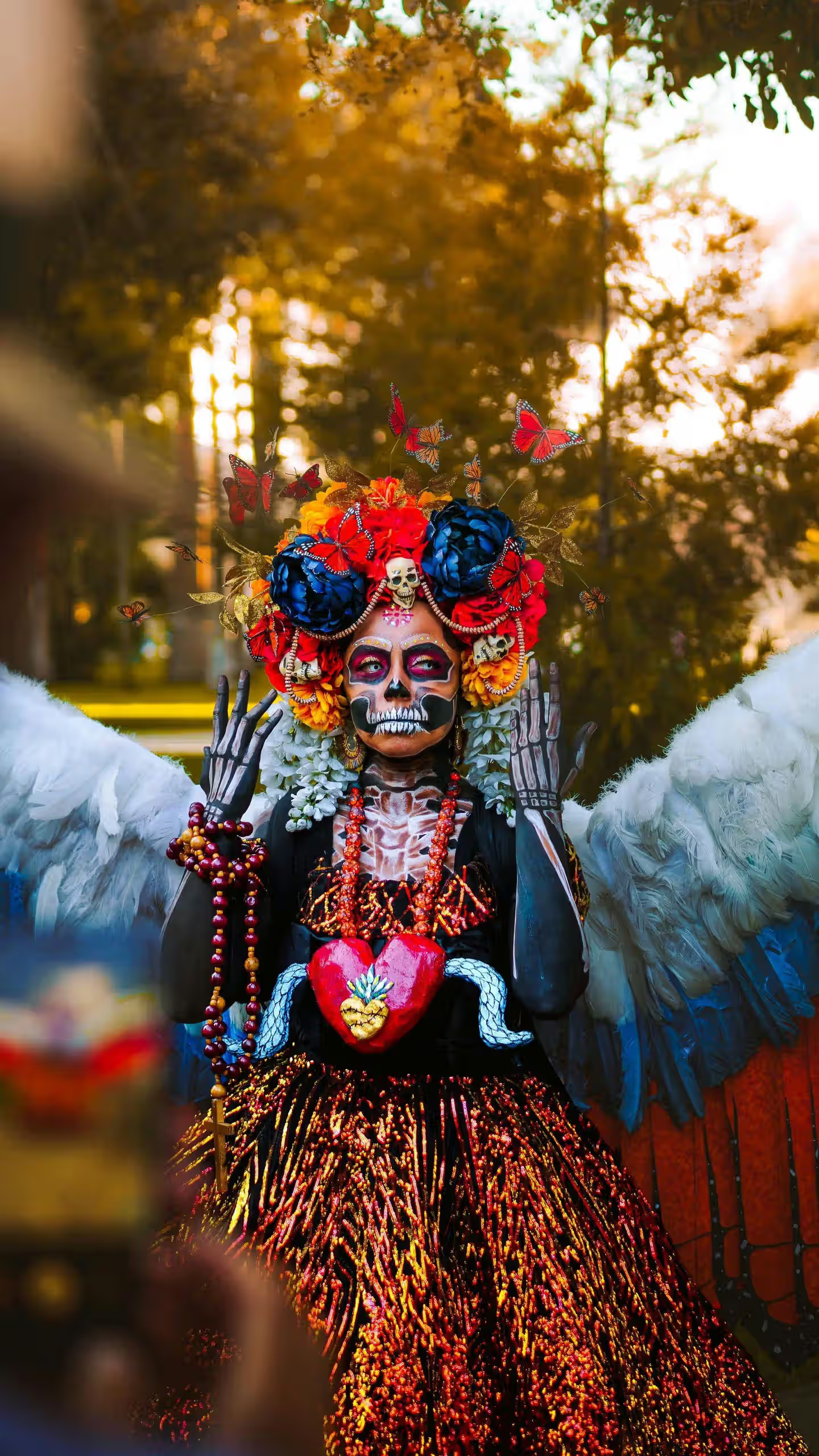
Mexico City wakes as an open-air gallery: monumental ofrendas in the Zócalo, artists’ altars at the Anahuacalli Museum and Frida Kahlo’s Casa Azul with a private curator.
Those who sleep in our memory are not dead
UNESCO · Intangible Cultural Heritage of HumanityThe celebration
Every year, in late October and early November, all of Mexico transforms. Altars bloom in the plazas; thousands of candles light up the cemeteries; homes fill with pan de muerto and cempasuchil. UNESCO declared it a Masterpiece of the Oral and Intangible Heritage of Humanity: a tradition blending the pre-Hispanic worldview with colonial Catholicism.
CocoVolare opens the right doors so you live it from the inside. Not as a spectator: as a guest. With the families who still hang flowers on their doors, the bakers who knead the bread, the guides who grew up among candles.
The moments
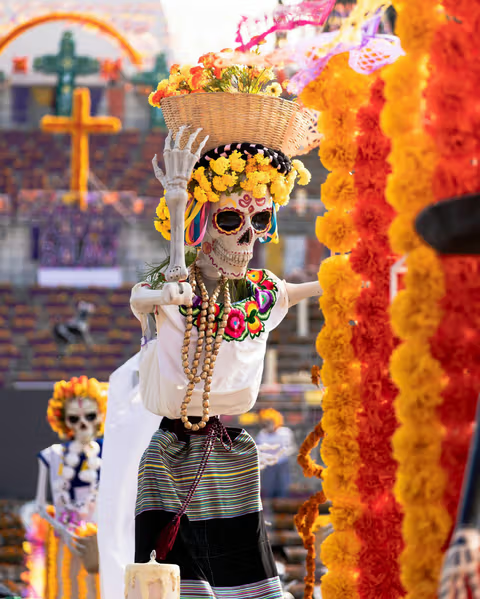
Act 1 · CDMX Mexico City wakes as an open-air gallery: monumental ofrendas in the Zócalo, artists’ altars at the Anahuacalli Museum and Frida Kahlo’s Casa Azul with a private curator.
Act 2 · Michoacán A private canoe crossing of Lake Pátzcuaro at dusk. On the island, thousands of candles light the cemetery while Purépecha families keep vigil.
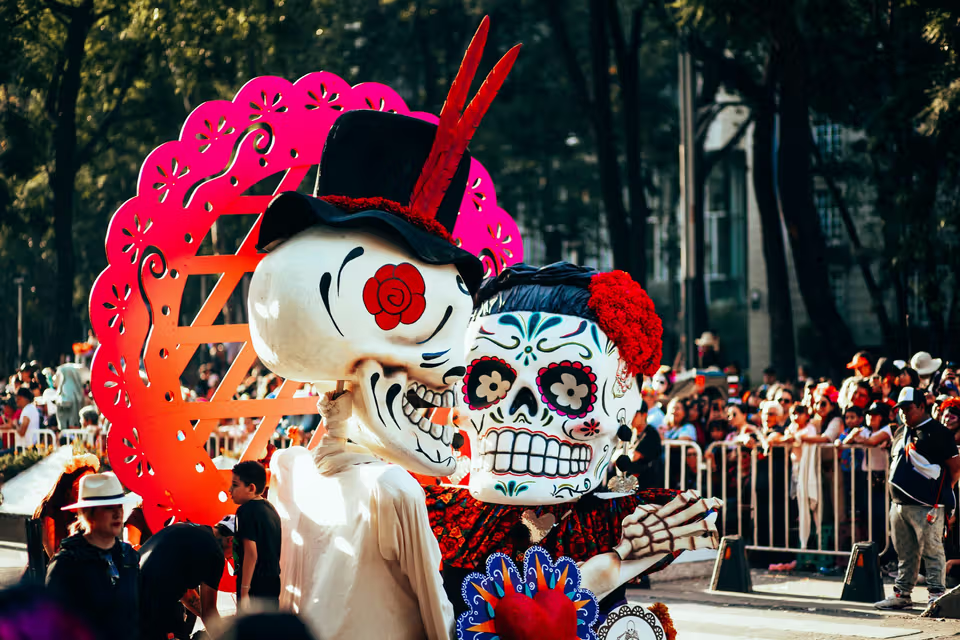 Act 3 · CDMX
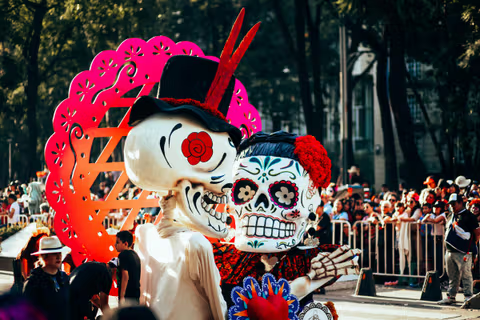
 Floats, giant catrinas, brass bands and hundreds of thousands of spectators along Paseo de la Reforma, with a reserved spot for you.
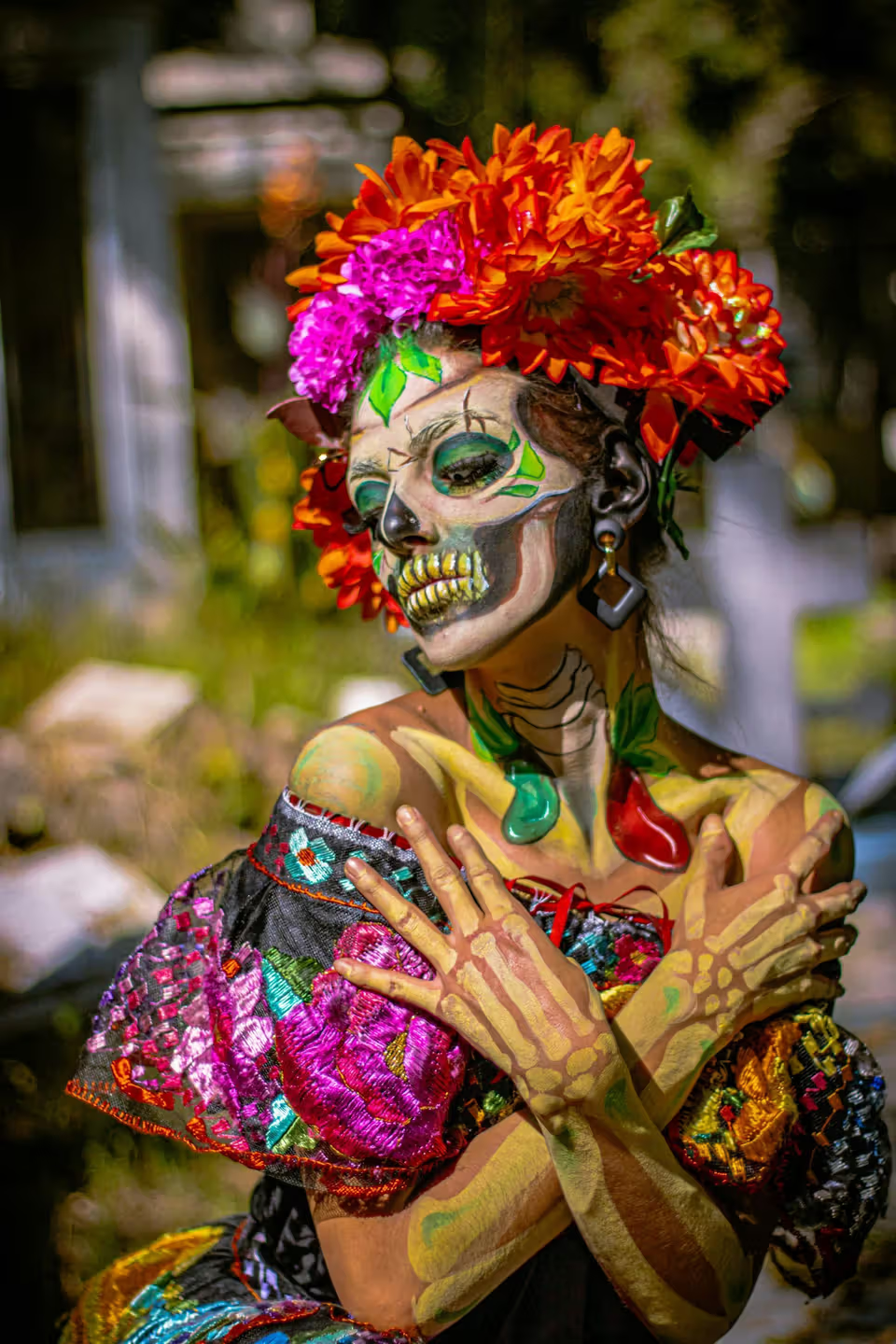 Act 4 · Mixquic
 San Andrés Mixquic preserves the purest highland tradition: at 8pm on November 2, thousands of families enter the cemetery and light it with candles. Intact since the 16th century.
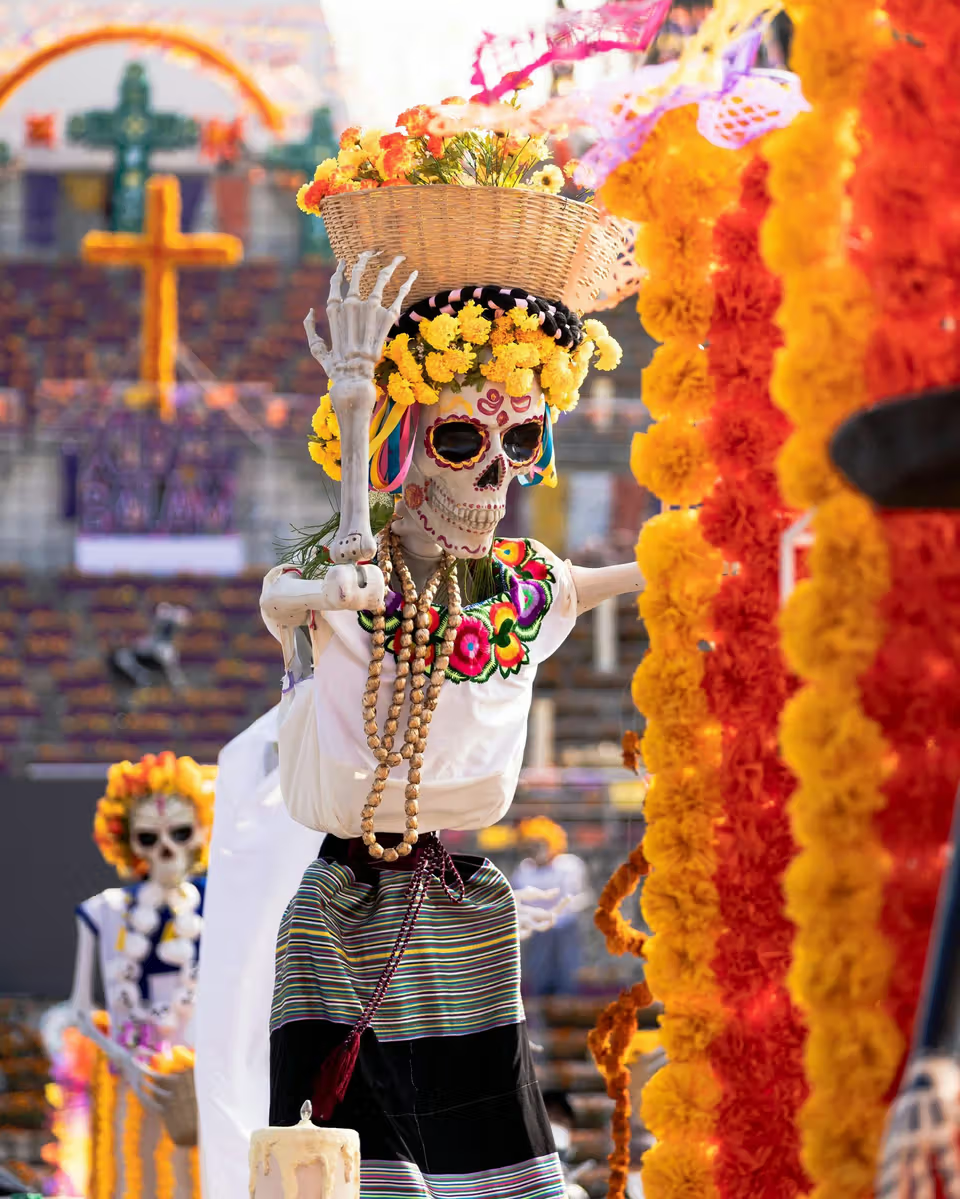 Act 5 · Oaxaca
 Comparsas crossing the historic center with live music, hand-painted sawdust carpets and mezcalerías open all night.
In motion
All handled
Superior category, well located, ready on arrival.
Door to door, from the airport to every act.
One person with you from start to finish.
Your place arranged before you arrive.
Real-time assistance, at any hour.
Coverage throughout the experience.
Why with CocoVolare
You enter as a guest, not a spectator.
Every detail solved before you ask.
You just let go; the logistics are ours.
Small groups per edition: when the last spot fills, booking closes.
Itinerary
A reference flow, adjustable to your preferences and the official calendar.
Flight to CDMX, private transfer, welcome kit with pan de muerto. At dusk, a private visit to a family ofrenda in Coyoacán.
Anahuacalli and Casa Azul with a private curator. In the afternoon, the International Parade with a reserved spot on Reforma.
Short flight to Morelia and transfer to Pátzcuaro. At dusk, the canoe crossing to Janitzio and the candlelit cemetery vigil.
Back to CDMX. At dusk, San Andrés Mixquic: early entry to the cemetery with a local guide and visits to homes that open their altars.
Flight to Oaxaca: sawdust carpets, a private mezcal tasting at a family palenque and a night comparsa with live music.
Free morning and private transfer to the airport. Post-trip follow-up with a personalized letter and photo record.
Symbols
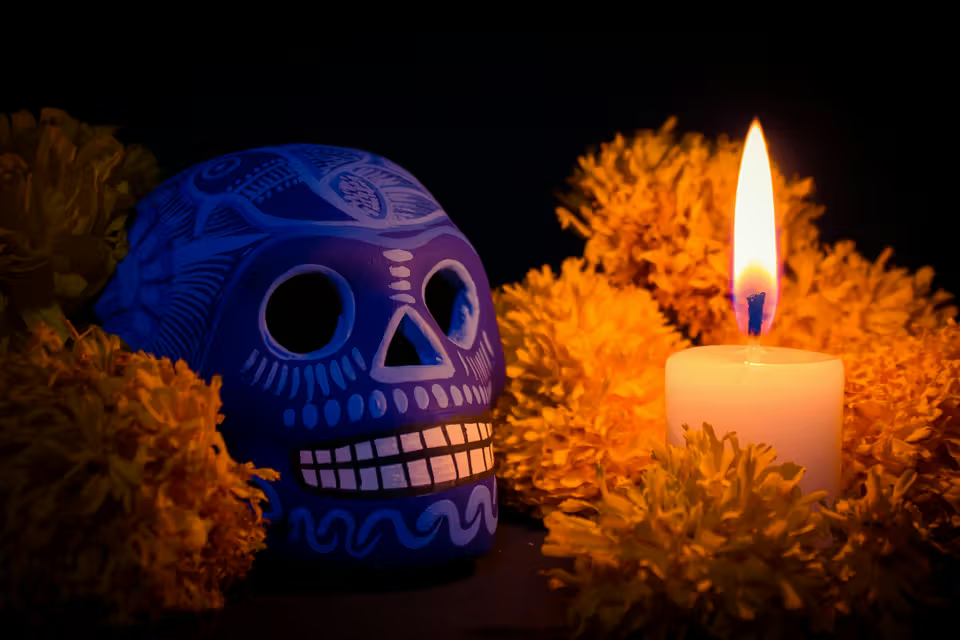
The yellow flower whose scent and color guide the souls home. A petal path from the door to the altar.
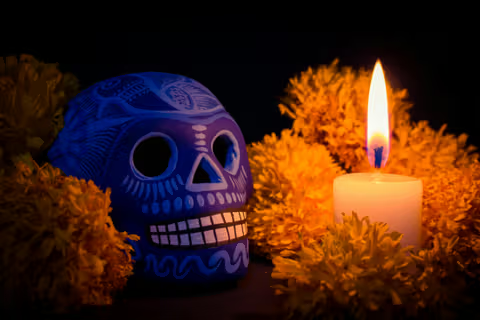
The light that marks the way in the dark. Each candle is lit for a loved one, for a dead person with a name.
The ritual food par excellence. The strips of dough represent bones; the central ball, the skull.
Sweets with the name of the departed written on the forehead. They celebrate death without fear.
The sacred smoke that purifies the space and connects the world of the living with that of the dead.
The photograph naming who is awaited that night. The emotional heart of the altar.
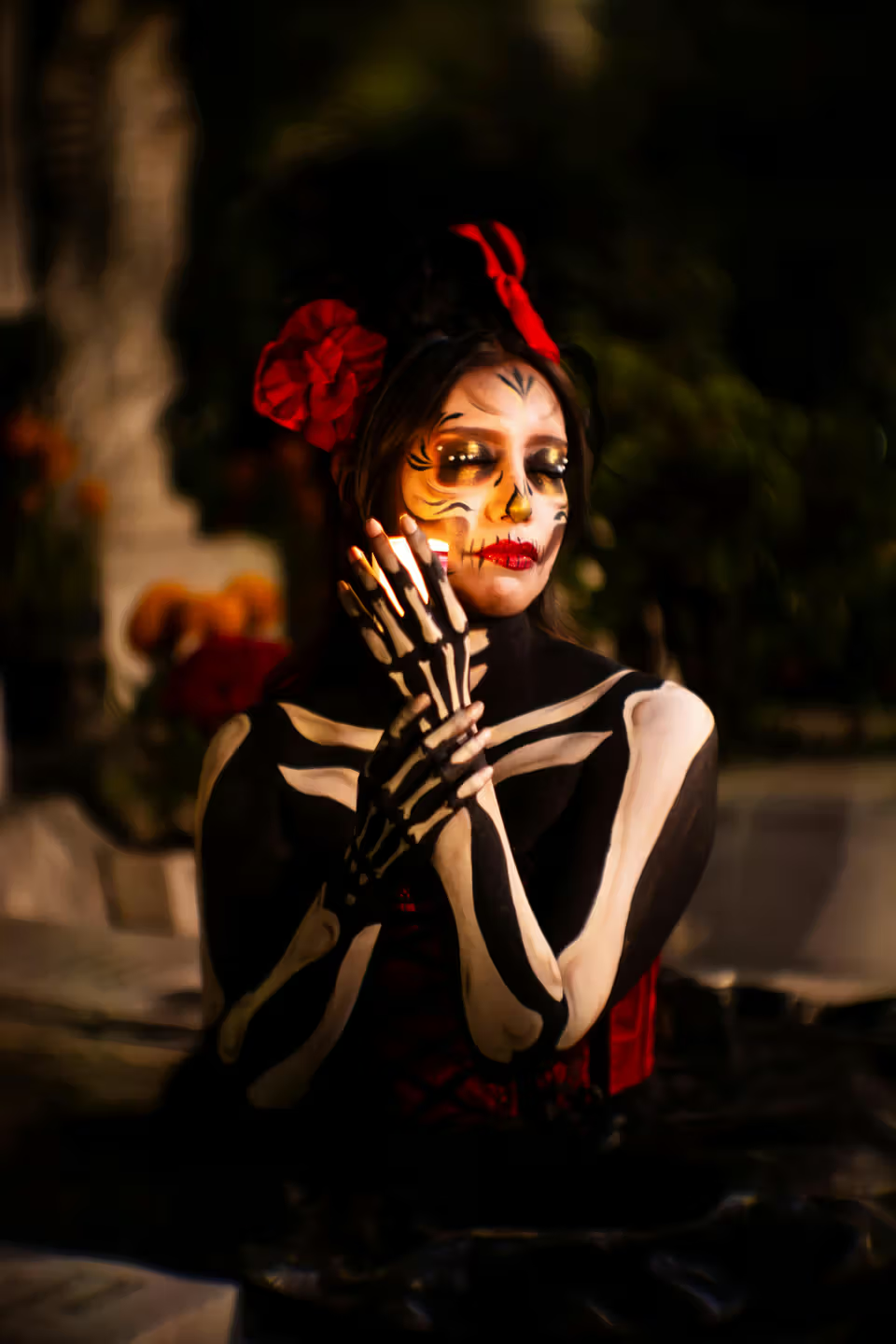
Born in 1912 with Posada’s engraving as social critique: death makes everyone equal. Diego Rivera made her an icon.
Hand-cut paper banners. The wind that moves them symbolizes the arrival of the souls.
Images that stay
Oct 31 to Nov 2, 2026
Book months ahead: hotels and box seats sell out.